



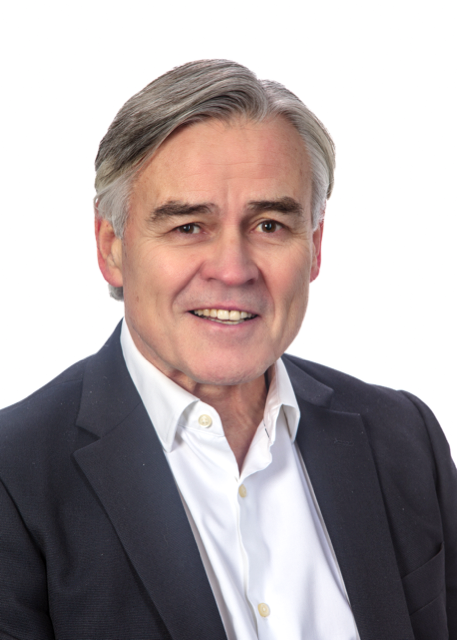
Dr. Paul Farnan
MD, FASAM, FCFPC, dipl. ABAM | Addiction Medicine & Occupational Medicine
The Peer Support Recovery Navigator Story, the Science Behind It, and Why Construction Needs Safety to Lead the Next Cultural Shift
Thirty years ago, safety professionals in construction refused to accept that accidents were inevitable. They named the hazards nobody wanted to name, trained the supervisors nobody thought needed training, and built a culture of accountability that has since saved thousands of lives. That shift didn't come from a regulation. It came from people.
Construction now has a recovery problem. One in ten workers may be in some stage of recovery — but they are often invisible. The prevailing workplace response has typically been policy-only: detect addiction, discipline, refer. The peer support layer that could change everything has been almost entirely absent.
This session tells the story of the Peer Support Recovery Navigator (PSRN) program — Canada's only construction-specific, peer-led recovery support program, built in partnership with the BCCSA. From its origins in 2025 to a network of trained navigators now spanning multiple employers, the PSRN is building the peer infrastructure the recovery movement in construction has been waiting for.
If you are a safety professional, you are often the person a struggling worker will trust. This session will show you how the emerging provincial PSRN collective — a growing community of navigators, advocates, and organizational champions — is poised to become a genuine strength for cultural change in BC construction.
Learning Objectives
By the end of this session, participants will be able to:
- Describe the evidence base for recovery as an expected and achievable outcome from substance use disorder, and explain how this changes the role of the workplace in supporting workers who are in recovery or seeking help.
- Explain the origins, design, and current reach of the PSRN program — including the peer navigator role, the Education Day training model, the ongoing Community of Practice structure, and how the program differs from EAP, policy, and clinical support approaches.
- Identify concrete actions available to safety professionals to advance recovery-inclusive culture in the organizations they serve — including candidate identification, internal advocacy, and participation in PSRN training.
- Articulate the vision for the provincial PSRN collective as an emerging community of practice across BC construction — and describe the role that trained navigators, organizational champions, and safety professionals play in sustaining and scaling recovery culture change.
Biography
Dr. Paul Farnan is a physician board-certified in both Addiction Medicine and Occupational Medicine, a Fellow of the American Society of Addiction Medicine (FASAM), and a Clinical Associate Professor at the UBC Faculty of Medicine.
In 2024, he identified a gap that needed to be filled: construction workers in recovery from addiction had virtually no peer-based support within the workplace. In partnership with the BCCSA, he developed the Peer Support Recovery Navigator (PSRN) program — now active across many organizations. He serves as its Clinical Lead and is a sought-after speaker on recovery-inclusive workplaces, having presented to construction leaders, safety professionals, unions and employer organizations across Canada.
He frames his work not as a wellness initiative but as a workforce strategy — grounded in evidence, peer-led by design, and built for the culture of the trades.